
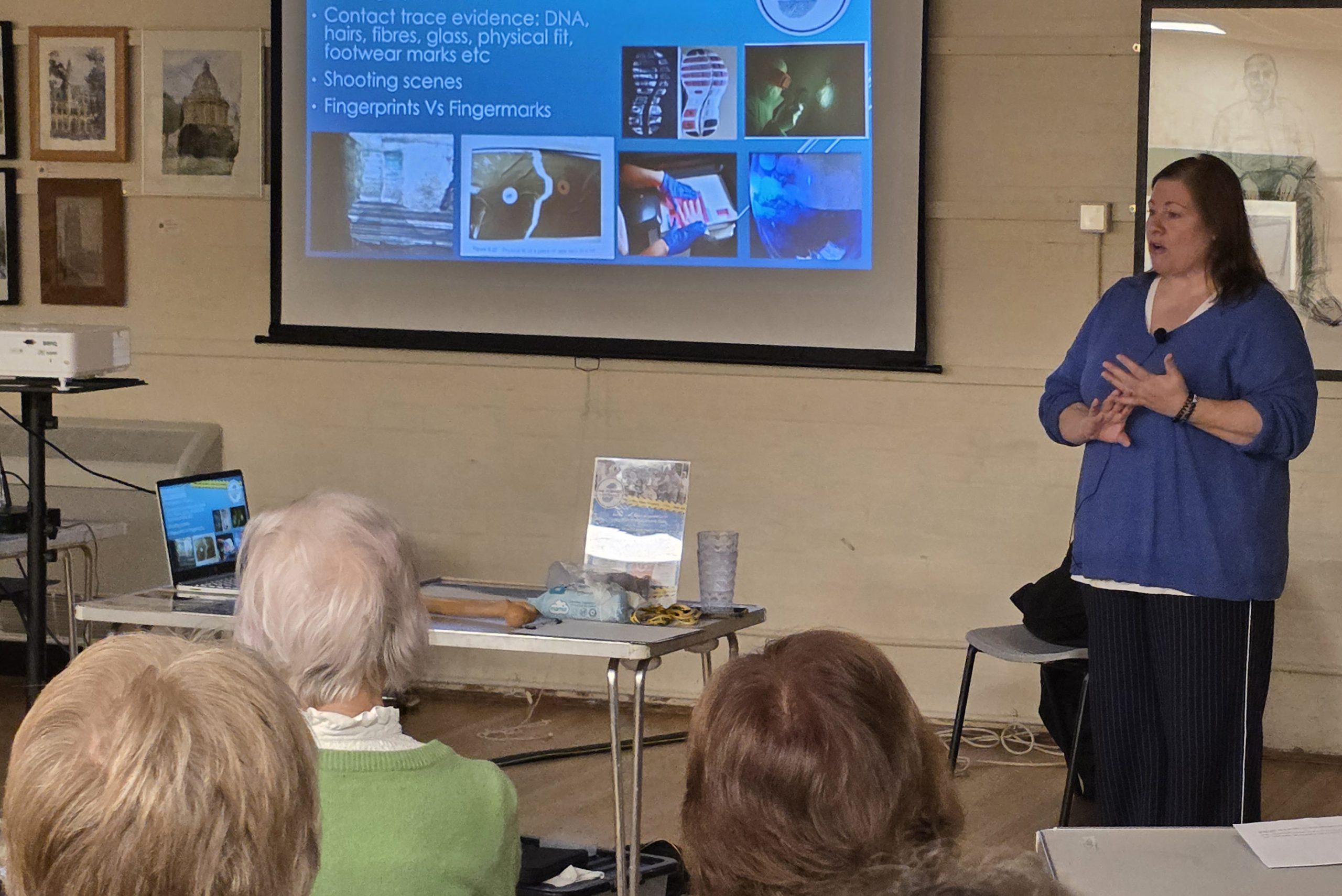
Many people think they know what happens at a crime scene.
We’ve all watched the television dramas. The investigator arrives, spots the key clue within minutes and the case is solved before the end of the programme.
The reality is very different.
As a Crime Scene Investigator with the Metropolitan Police, I attended more than 10,000 crime scenes over 14 years. Every one of them required patience, attention to detail and careful scientific investigation.
A crime scene isn’t about dramatic moments. It’s about slowly building a picture of what happened using evidence.
Here’s what really happens.
The First Question a CSI Must Answer
Once we have listended to the forensic briefing and decided our forensic strategy (why are we examining the crime scene). The first job, then of a Crime Scene Investigator is not to solve the crime.
It’s to establish whether a crime has actually taken place.
Our role is to help answer questions such as:
- Has a crime been committed?
- Who might be involved?
- What sequence of events occurred?
Sometimes the scene tells a clear story. Sometimes it raises more questions than answers.
That’s where forensic science begins.
Managing the Scene
Before any evidence is collected, the scene must be carefully managed.
This includes:
- A forensic briefing and a forensic strategy discussion
- A risk assessment from outside and inside the venue/location
- Wearing protective clothing
- Keeping a crime scene log of everyone entering and leaving (for serious crime scenes)
Protecting the scene is essential. Evidence can easily be contaminated if procedures aren’t followed properly.
Understanding Different Types of Crime Scenes
Many people assume a crime scene is simply a location.
In fact, investigators often think about three different types of crime scene:
- Place – a house, building, park or street
- Person – evidence found on an individual
- Objects – items connected to the crime
Understanding how these three elements connect helps investigators begin to reconstruct what may have happened.
Examining the Evidence
Once the scene is secured, the detailed work begins.
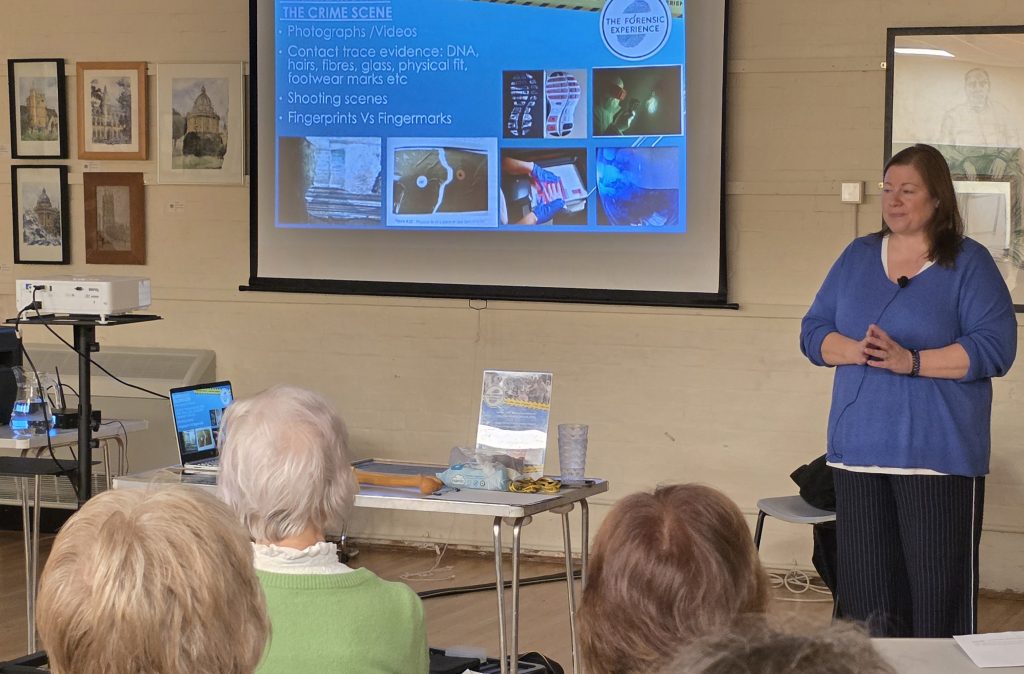
Everything is documented carefully through photographs,videos and even the use of drones to record this before evidence is collected. This might include:
- DNA
- hairs and fibres
- glass fragments, soil samples
- footwear marks, toolmarks
- physical fit evidence
- Then finally, fingermarks are recovered
Each item is packaged, labelled and submitted for further examination.
Nothing is rushed. Every detail matters.
The Science of Fingerprints
One of the most fascinating parts of forensic work involves fingerprints.
Fingerprints actually begin developing between six and twenty weeks before birth. They are formed from sweat secreted through pores on the skin.
What makes them so useful in forensic investigation is that it is believed that no two people share the same fingerprints, not even identical twins.
Investigators study patterns and tiny features within fingerprints, known as minutiae, such as ridge endings and bifurcations, to identify individuals.
It’s an extraordinary example of science helping to uncover the truth.
Bringing the World of CSI to Life
One of the things I enjoy most now is sharing these real experiences with others.
Through The Forensic Experience, people can step into the role of an investigator themselves.
For membership groups such as the WI or other community organisations, my talk A Day in the Life of a Crime Scene Investigator gives a behind-the-scenes insight into how crime scenes are investigated and what the work of a CSI really involves.
I bring along a selection of props used in forensic investigation so people can see and handle some of the techniques used to examine evidence. It helps bring the process to life and makes the science behind crime scene investigation easier to understand.
It’s always fascinating to see how quickly people become curious about the evidence and start asking questions.
If you are looking for an engaging speaker for your community group, WI or organisation, or you are planning a team building event with a difference, you are very welcome to get in touch.
Simply email Hayley at The Forensic Experience to discuss what might work best for your group.